
 Accounts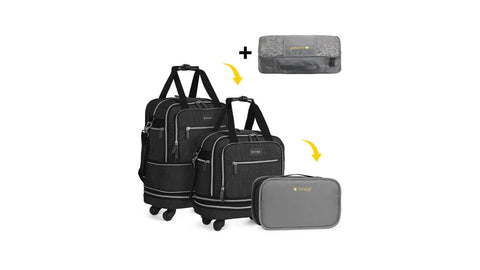
Table of Contents
- Is Collapsible Luggage Durable? The Honest Answer
- Foldable Luggage Materials: What Affects Real-World Durability
- Foldable Luggage vs Traditional Suitcase: Durability Comparison
- Wheel Performance and Baggage Handling Wear
- Best Collapsible Check-In Luggage for Long-Term Use
- How to Care for Foldable Luggage and Extend Its Lifespan
- Load Limits, Packed Weight, and Failure Risk
- Repairability and Warranty: What Happens When Something Breaks
- Frequently Asked Questions
Last Updated: October 11, 2026
Is Collapsible Luggage Durable? The Honest Answer
The durability question around collapsible luggage matters because the answer directly affects whether you're making a smart purchase or a compromise.
At Biaggi, we've been designing foldable luggage for travelers who refuse to sacrifice durability for convenience. The question isn't whether collapsible luggage can be durable, it can. The real question is whether the specific design, materials, and construction you're buying will survive your actual travel patterns.
The durability of collapsible luggage depends on three core factors: the materials used in construction, how well the seams and zippers are engineered, and how the folding mechanism itself holds up over time. A bag that compresses to the size of a pillow doesn't have to be fragile.
Foldable Luggage Materials: What Affects Real-World Durability
The material you choose determines how your bag handles airport baggage systems, rough handling, and the repeated stress of packing and unpacking. Two main material categories dominate the market: water-resistant nylon and polypropylene shells. Each has different durability profiles, and the choice between them affects how long your collapsible luggage durable reputation will last.
Water-Resistant Nylon vs. Polypropylene Shells
Water-resistant nylon is the traditional choice for soft-sided bags and remains popular in foldable luggage design. Nylon offers flexibility, which makes compression easier, and it resists tearing when handled roughly. The downside: nylon requires regular maintenance to keep its water-resistant coating effective, and the material can develop permanent creases if folded the same way repeatedly.
Polypropylene shells, used in hard-shell luggage, are also appearing in hybrid foldable designs. Polypropylene is lighter than nylon, resists water naturally without coatings, and doesn't crease. However, it's more brittle in cold temperatures and can crack under extreme compression stress.
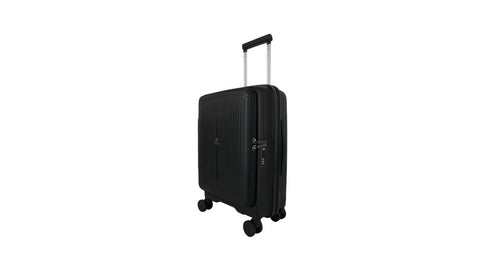
Biaggi's Glide 2 Piece Set uses ultra-lightweight polypropylene shells designed for durability across both carry-on and checked luggage. The material choice matters because it directly affects how the bag responds to the repeated folding and unfolding cycles that frequent travelers put their luggage through.

Zipper Strength and Seam Construction
Zippers are where most luggage fails. A weak zipper fails faster than weak material. For collapsible luggage durable enough for years of travel, the zipper must handle the stress of the bag expanding and contracting as you fold and unfold it. Heavy-duty zippers rated for high-cycle use are essential.
Seam construction is equally critical. Foldable bags experience stress at seams every time you compress them. Bags with single-stitched seams fail quickly. Double-stitched or reinforced seams, especially around stress points like wheel bases and handle attachments, add years to a bag's lifespan. The best foldable luggage also includes seam sealing, which prevents water from entering at the stitching.
| Construction Element | Impact on Durability | What to Check |
|---|---|---|
| Zipper grade | Determines how many open/close cycles before failure | YKK or industrial-rated zippers |
| Seam stitching | Prevents tearing at stress points | Double or reinforced stitching |
| Seam sealing | Protects against water infiltration | Visible sealant along all seams |
| Stress reinforcement | Protects high-wear areas | Reinforced corners and handle bases |
Foldable Luggage vs Traditional Suitcase: Durability Comparison
When comparing foldable luggage vs traditional suitcase durability, the results surprise most travelers. Traditional hard-shell suitcases win on one metric: they distribute impact force across a rigid structure, protecting contents. Foldable bags, however, often outperform on real-world durability because they're more flexible and less likely to crack under pressure.
The key difference: traditional suitcases concentrate stress at fixed points. A hard shell that cracks is done. A soft-sided foldable bag distributes stress across its fabric, which stretches and recovers.
Hard-shell luggage also requires more careful handling. Dropping a traditional suitcase from baggage carts can crack the shell permanently. Foldable bags absorb that impact better because the soft material flexes rather than breaks.
The durability advantage goes to foldable luggage in one scenario: frequent travelers who fold and unfold regularly. Traditional suitcases have zero stress from compression. Foldable bags handle that stress through reinforced construction. If you're not folding your bag repeatedly, a traditional suitcase might last longer.
Wheel Performance and Baggage Handling Wear
Wheels are the second-most common failure point in luggage, after zippers. For collapsible luggage durable enough for checked baggage, the wheels must survive baggage handlers who don't treat your bag gently. Spinner wheels (360-degree rotation) are standard on modern luggage, but not all spinners are equal.
Low-quality wheels seize up after a few trips. High-quality wheels, typically made from polyurethane or rubber compounds, maintain smooth rotation for years. The Biaggi Runway Hybrid Expandable Underseater uses premium spinner wheels designed to handle rough airport baggage systems. Wheel durability depends on the bearing quality and the wheel material.

Baggage handlers throw luggage, drag it across concrete, and stack heavy bags on top. Wheels that survive this abuse are built with reinforced wheel bases and rubberized compounds that resist flat-spotting. For collapsible luggage durable in real airport conditions, check whether the wheels are replaceable. Some premium brands offer replacement wheel kits, extending the bag's lifespan beyond the original wheels.
Best Collapsible Check-In Luggage for Long-Term Use
When choosing collapsible check-in luggage, durability requirements shift. Checked bags face harsher treatment than carry-ons, so materials must be tougher and seams must be bulletproof. The best options combine water-resistant materials, industrial-grade zippers, and reinforced construction.
Expandable Options That Handle Heavy Loads
Expandable check-in bags let you increase capacity without adding a second piece of luggage. For collapsible luggage durable enough to handle checked baggage, expansion panels must be reinforced so they don't split under load. The Zipsak Boost-Max + Zipcube Set expands 11 inches upwards, transforming from a carry-on to a large check-in bag. The tear-proof, water-resistant nylon fabric handles the weight distribution that expansion requires. Custom-sized Zipcubes inside add structure and prevent the bag from collapsing under the weight of checked items.

Expandable construction adds stress to seams, so look for reinforced expansion panels and double-stitched edges. The best expandable check-in bags also include compression straps inside, which distribute weight evenly and prevent contents from shifting during baggage handling.
Underseater Bags for Frequent Flyers
Underseater bags fit under the airplane seat in front of you, avoiding gate checks entirely. For frequent business travelers, this matters because underseater bags never enter the baggage system. The Zipsak Boost! Underseater Expands To Carry-On starts as a small pouch and expands to a full carry-on with four wheels. Because underseater bags avoid checked baggage, durability requirements are lower than for check-in luggage, but the folding mechanism must be rock-solid. This bag includes an extra-deep packing cube, so you pack efficiently without stressing the folding system.
Underseater bags are ideal for minimalist travelers and frequent flyers who want to avoid baggage fees and carousel waits. The durability advantage: they never face the rough handling of checked baggage systems.
How to Care for Foldable Luggage and Extend Its Lifespan
Proper care extends the lifespan of collapsible luggage durable enough to last a decade. Foldable bags require different maintenance than traditional suitcases because the folding mechanism adds wear points.
Clean your bag after every trip, especially if you've traveled internationally or through dusty environments. Wipe down the exterior with a damp cloth and let it air dry completely before folding. For nylon bags, apply a water-resistant coating annually to maintain the protective layer.
Inspect zippers before each trip. If a zipper is sticking, apply a small amount of silicone lubricant (not oil, which attracts dirt). Replace zippers early if they're showing signs of wear rather than waiting for them to fail completely.
When folding your bag for storage, don't fold it the same way every time. Rotating your fold pattern prevents permanent creases in nylon and stress concentration in the frame. Store bags in a cool, dry place away from direct sunlight, which degrades nylon over time.
| Maintenance Task | Frequency | Impact on Durability |
|---|---|---|
| Exterior cleaning | After each trip | Prevents material degradation |
| Water-resistant coating refresh | Annually | Maintains water protection |
| Zipper inspection | Before each trip | Catches wear early |
| Interior inspection | Monthly during travel season | Identifies frame damage |
| Fold pattern rotation | Every storage cycle | Prevents permanent creases |
Load Limits, Packed Weight, and Failure Risk
Every piece of luggage has a weight limit, and exceeding it stresses seams, zippers, and wheels. For collapsible luggage durable enough to handle real travel, understanding load limits prevents catastrophic failure. Most carry-on bags handle 35-45 pounds safely. Most check-in bags handle 50 pounds, though airlines cap checked baggage at 50 pounds anyway.
The problem with foldable bags: they compress, which tempts you to overpack. A bag that folds to the size of a pillow feels like it should hold more. It doesn't. The weight limit is the same whether the bag is compressed or expanded. Overpacking doesn't increase capacity; it just stresses the bag beyond its design limits.
When a bag is overloaded, zippers fail first, followed by seams at stress points. Wheel bases crack under excessive weight. For collapsible luggage durable enough to survive overloading, reinforced construction helps, but it's not a substitute for respecting weight limits. Pack smart, not heavy.
Repairability and Warranty: What Happens When Something Breaks
When your collapsible luggage durable design fails, repairability determines whether you replace the entire bag or fix the problem. Quality luggage brands offer replacement parts: zippers, wheels, handles, and sometimes entire panels. Biaggi products are designed for long-term use, and replacement parts availability matters.
Check the warranty before buying. A strong warranty signals confidence in durability and gives you recourse if something fails prematurely.
Repairability is often overlooked but critical. For collapsible luggage durable enough to last years, choose brands that support repairs with available parts.
Choosing collapsible luggage durable enough for your travel style means understanding materials, construction, and real-world stress points. Foldable bags aren't a compromise on durability, they're a different approach to solving the same problem. Explore our collection of durable, space-saving options like the Zipsak Boost-Max + Zipcube Set and the Glide 2 Piece Set to find luggage that fits your closet and your travel demands.
Frequently Asked Questions
Is collapsible luggage durable enough for frequent travel?
Yes, if you choose the right materials and construction. Collapsible luggage made with water-resistant nylon and reinforced seams holds up well under repeated use. The key is selecting bags with strong zipper construction, quality wheels, and proper weight distribution using packing cubes, which enhance performance and prevent overloading.
What's the difference between foldable luggage and traditional suitcases in terms of durability?
Foldable luggage trades some structural rigidity for compactness, but modern designs compensate with durable materials and smart construction. Hard-shell traditional suitcases offer fixed protection but take up permanent closet space. Soft-sided foldable bags adapt to your packing load and fold flat when empty. Both can be durable; your choice depends on whether you prioritize storage space or maximum structural protection for fragile items.
How should you store collapsible luggage when it is not in use?
Store foldable luggage folded or rolled in a dry location under a bed, on a shelf, or in a drawer. Avoid damp areas that can weaken materials or create mildew. Keep zippers clean and partially open to prevent moisture buildup. Proper storage prevents creasing that could weaken seams and keeps the bag ready for your next trip.
Can collapsible luggage be checked on a flight?
Yes, many collapsible bags are designed for checked baggage. Expandable check-in options like the Zipsak Boost-Max transform from an underseater pouch into a full-sized checked bag that expands 11 inches upward. Soft-sided collapsible luggage actually performs well in baggage handling because it absorbs impact better than rigid shells. Always verify that your folded or expanded bag meets airline size and weight limits before checking it.
What foldable luggage materials offer the best durability?
Water-resistant nylon and tear-proof polypropylene shells are the most durable materials for foldable luggage. Nylon offers flexibility and abrasion resistance, while polypropylene provides a lightweight, rigid shell that resists denting. Water-resistant fabrics protect your contents during baggage handling and rough terrain. Zipsak bags use extremely durable, tear-proof, water-resistant nylon, while Glide 2-piece sets feature ultra-lightweight polypropylene shells with 360-degree spinner wheels for smooth handling.


Comments (0)
There are no comments for this article. Be the first one to leave a message!